Dive into the world of private equity deals, where strategic investments pave the path to lucrative returns and financial success. From leveraged buyouts to growth capital, uncover the nuances of this dynamic sector.
Explore the key differences between private equity and other investment avenues, and unravel the intricate process behind structuring a successful private equity deal.
PRIVATE EQUITY
Private equity is a form of investment where funds are raised from institutional investors and high-net-worth individuals to acquire equity ownership in companies. These funds are then used to invest in privately-held companies or to buy out public companies and delist them from the stock exchange. Private equity firms typically aim to improve the performance of the companies they invest in and eventually sell them for a profit.Private equity differs from other forms of investment such as public equity (stocks) or debt financing in several ways.
Unlike public equity, private equity involves investing in companies that are not publicly traded on the stock market. Debt financing, on the other hand, involves borrowing money that needs to be repaid with interest, whereas private equity involves taking an ownership stake in the company.
Typical Structure of a Private Equity Deal
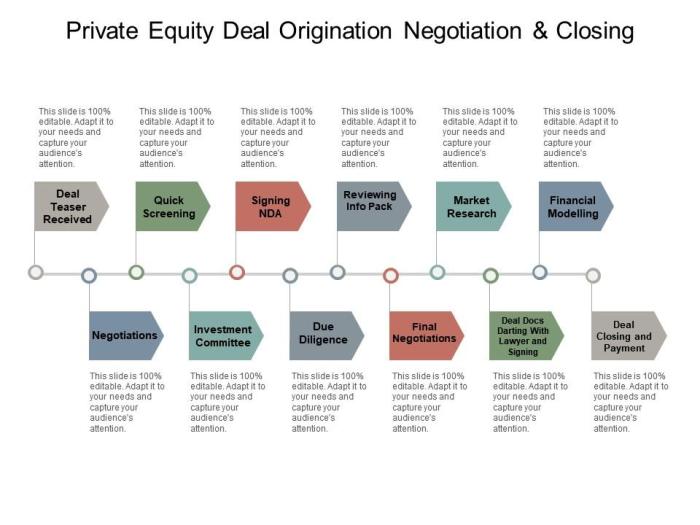
In a typical private equity deal, the process involves several key steps. Firstly, a private equity firm raises a fund from investors. They then identify potential investment opportunities and conduct due diligence to assess the company’s financial health and growth potential. Once a suitable target is identified, the private equity firm negotiates a deal to acquire a stake in the company.
Post-investment, the firm works closely with the company’s management to implement strategies to improve operations and increase profitability. Finally, the private equity firm aims to exit the investment after a few years by selling the company or taking it public through an initial public offering (IPO).
Types of Private Equity Deals
Private equity deals come in various forms, each with unique characteristics and objectives. Understanding the different types of private equity deals is crucial for investors looking to diversify their portfolios and maximize returns.
Leveraged Buyouts
Leveraged buyouts (LBOs) involve acquiring a company using a significant amount of borrowed funds. The target company’s assets are often used as collateral for the loan, with the goal of improving the company’s financial performance and ultimately selling it for a profit. One of the key characteristics of LBOs is the high level of debt used to finance the acquisition.Examples of successful leveraged buyouts include the acquisition of RJR Nabisco by Kohlberg Kravis Roberts in the 1980s and the purchase of Toys “R” Us by Bain Capital, KKR, and Vornado Realty Trust in 2005.
Growth Capital
Growth capital investments are made in established companies looking to expand their operations, enter new markets, or launch new products. Unlike LBOs, growth capital deals typically involve minority investments and aim to support the company’s growth initiatives without taking control.A notable example of a successful growth capital deal is Sequoia Capital’s investment in Google in 1999, providing the tech giant with the funding needed to scale its search engine and advertising platform.
Distressed Investments
Distressed investments involve purchasing the debt or equity of a financially troubled company at a significant discount. Private equity firms specializing in distressed investments often look for opportunities to restructure the company, improve its operations, and turn it around for a profit.One of the most famous distressed investments is Apollo Global Management’s acquisition of LyondellBasell Industries in 2009, which emerged from bankruptcy and became one of the largest chemical companies in the world.
THE PROCESS OF A PRIVATE EQUITY DEAL
Private equity deals involve a series of steps that range from sourcing potential investments to eventually exiting the investment. Understanding the process is crucial for both investors and companies seeking private equity funding.
Sourcing Deals
- Private equity firms actively seek out potential investment opportunities through various channels such as industry connections, networking events, and deal brokers.
- Companies looking for private equity funding may also approach private equity firms directly or through intermediaries like investment banks.
- Once a potential deal is identified, the due diligence process begins to assess the viability and risks associated with the investment.
Due Diligence Process
- Due diligence involves a thorough examination of the target company’s financial records, operations, management team, market position, and growth potential.
- Private equity firms typically conduct both financial and legal due diligence to ensure the investment aligns with their strategic goals and risk appetite.
- The due diligence process helps in identifying any red flags or potential obstacles that could impact the success of the investment.
Role of Stakeholders
- Private Equity Firms: These firms provide the capital for the investment and play a key role in shaping the strategic direction of the target company post-investment.
- Investment Banks: Investment banks often facilitate the deal-making process by providing advisory services, structuring the deal, and connecting potential investors with companies seeking funding.
- Legal Advisors: Legal advisors help in navigating the complex legal aspects of the deal, ensuring compliance with regulations, and drafting the necessary legal documentation.
RISKS AND REWARDS
When it comes to private equity deals, investors need to be aware of the risks and rewards involved. These investments can offer significant returns, but they also come with certain challenges and uncertainties that must be carefully considered.
Risks Associated with Private Equity Deals
Private equity deals carry various risks that investors should be mindful of:
- Financial Leverage: Private equity deals often involve significant borrowing to finance the acquisition of companies. While leverage can amplify returns, it also increases the risk of financial distress if the investment does not perform as expected.
- Market Conditions: Fluctuations in the broader economy or specific industry sectors can impact the performance of private equity investments. A downturn in the market can negatively affect the value of the investment.
- Regulatory Risks: Changes in regulations or government policies can have a direct impact on the operations and profitability of companies in a private equity portfolio. Investors need to stay informed about regulatory changes that could affect their investments.
Potential Rewards for Investors
Investors in successful private equity deals can enjoy various rewards, such as:
- High Returns: Private equity investments have the potential to generate substantial returns, often outperforming traditional asset classes like stocks and bonds.
- Control and Influence: Unlike public equity investments, private equity allows investors to have a more active role in the management and strategic decisions of the underlying companies. This level of control can lead to value creation and strategic improvements.
Comparison of Risk-Return Profile
When comparing the risk-return profile of private equity investments with other asset classes, it is important to note that:
- Private equity investments typically have higher return potential compared to traditional asset classes due to the illiquidity premium and the ability to actively influence the performance of the underlying companies.
- However, private equity also comes with higher risks, including illiquidity, market uncertainties, and operational challenges. Investors must weigh these risks against the potential rewards before committing capital to private equity deals.
In conclusion, private equity deals offer a high-risk, high-reward opportunity for investors seeking substantial returns. With a deep dive into the risks, rewards, and processes involved, the world of private equity beckons with promise and potential.
Helpful Answers
What sets private equity apart from other forms of investment?
Private equity involves investing directly in private companies, often with a focus on growth and long-term value creation, unlike public markets.
What are the key steps in a private equity deal process?
The process typically involves sourcing deals, conducting due diligence, structuring the deal, monitoring the investment, and eventually exiting with profitable returns.
What are the main risks associated with private equity deals?
Common risks include financial leverage, market fluctuations, regulatory changes, and the uncertainty of achieving projected returns.
How do private equity firms differ from investment banks in deal processes?
Private equity firms are often more directly involved in the management and growth of acquired companies, while investment banks primarily assist in deal structuring and financing.
What are the potential rewards for investors in successful private equity deals?
Investors can benefit from substantial returns through capital appreciation, dividend income, and successful exits at higher valuations.


