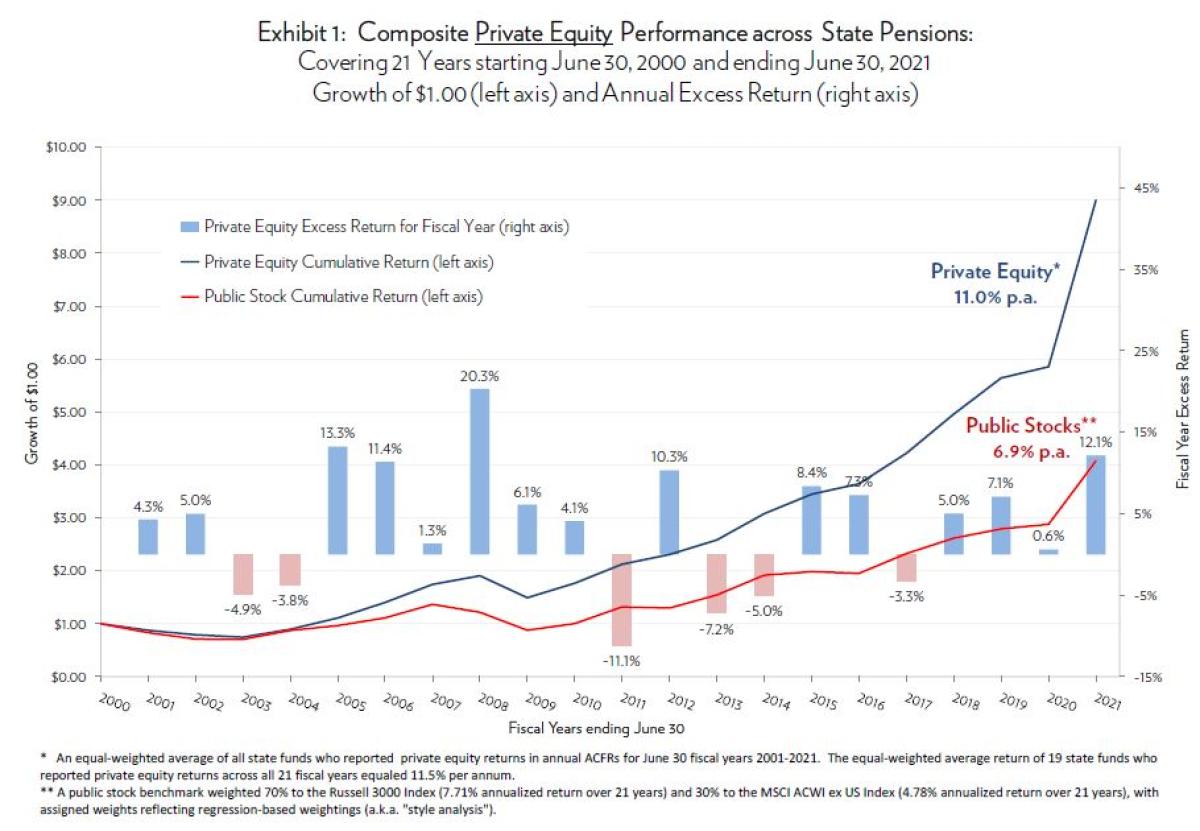
Private equity performance sets the stage for this enthralling narrative, offering readers a glimpse into a story that is rich in detail with casual formal language style and brimming with originality from the outset.
Private equity, a key player in the investment landscape, holds the promise of lucrative returns through strategic investments. Understanding the nuances of private equity performance is crucial for investors looking to navigate this complex yet rewarding terrain.
Private Equity
Private equity refers to investments made into privately-owned companies or assets with the goal of generating returns for investors. This form of investment involves buying equity stakes in companies that are not publicly traded on the stock exchange. Private equity firms raise capital from institutional investors, such as pension funds, endowments, and high-net-worth individuals, to invest in these companies.
Typical Structure of a Private Equity Fund
Private equity funds typically have a limited life cycle, ranging from 7 to 12 years, during which the fund manager invests in various companies. The fund is divided into different stages, including fundraising, investment, and exit. Fund managers charge a management fee and a performance fee based on the fund’s returns.
- Fundraising: During this stage, the private equity firm raises capital from investors.
- Investment: The fund manager identifies potential investment opportunities and acquires equity stakes in these companies.
- Exit: Once the invested companies reach a certain level of growth or profitability, the fund manager exits the investments by selling the equity stakes to realize returns for investors.
Key Characteristics of Private Equity
Private equity investments are known for their long-term investment horizon and active involvement in the management of portfolio companies. Unlike public equity investments, private equity investments are illiquid and require investors to commit their capital for a specified period. Private equity firms often take a hands-on approach to add value to the companies they invest in, such as implementing operational improvements or strategic changes to drive growth and profitability.
- Illiquidity: Private equity investments are not easily bought or sold on public markets, requiring investors to hold their positions for an extended period.
- Control: Private equity investors typically acquire a significant ownership stake in the companies they invest in, allowing them to influence strategic decisions and operational changes.
- High Returns: Private equity investments have the potential to generate higher returns compared to other asset classes due to the active management and value creation strategies employed by private equity firms.
Private Equity Performance Metrics
Private equity performance metrics play a crucial role in evaluating the success of investments in this asset class. These metrics help investors assess the profitability and efficiency of their private equity holdings.Internal Rate of Return (IRR) is a key performance metric used to measure the annualized rate of return generated by an investment. It takes into account the timing and magnitude of cash flows, providing investors with a clear picture of the overall return on their investment.
IRR is calculated by solving for the discount rate that equates the present value of cash inflows with the present value of cash outflows.
Comparing Performance Metrics
- MOIC (Multiple on Invested Capital): This metric compares the total value of distributions received to the total amount invested. A MOIC of 2.0 means that the investment has returned twice the amount of capital initially invested.
- TVPI (Total Value to Paid-In): TVPI measures the total value of the investment relative to the total amount of capital contributed. It includes both the current value of the investment and any remaining unrealized value.
- DPI (Distributions to Paid-In): DPI focuses on the amount of capital that has been returned to investors compared to the amount of capital initially invested. A DPI of 1.0 indicates that all invested capital has been returned.
Factors Influencing Private Equity Performance
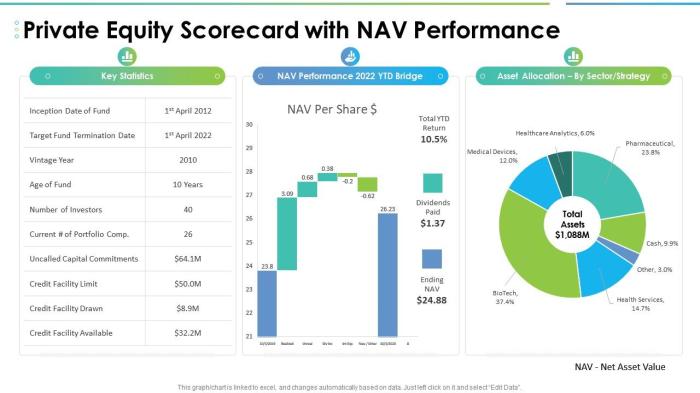
Private equity performance is influenced by a variety of factors that can impact the success or failure of investments in this asset class. Understanding these factors is crucial for investors looking to maximize returns and minimize risks.Economic Conditions:Economic conditions play a significant role in shaping the performance of private equity investments. Factors such as interest rates, inflation, GDP growth, and overall market stability can all impact the success of a private equity investment.
In times of economic uncertainty, private equity firms may face challenges in finding profitable opportunities or exiting existing investments.Industry Trends:Industry trends also play a crucial role in determining private equity performance. Investing in industries that are experiencing growth and innovation can lead to higher returns, while investing in declining or saturated industries may result in lower performance. Private equity firms must stay abreast of industry trends and adapt their investment strategies accordingly.Company-Specific Factors:Company-specific factors such as management quality, competitive positioning, growth potential, and operational efficiency can significantly impact the performance of private equity investments.
Choosing the right companies to invest in and actively working to improve their operations and profitability can enhance overall returns.Operational Improvements:Implementing operational improvements within portfolio companies is a key strategy employed by private equity firms to enhance performance. By streamlining processes, reducing costs, and improving overall efficiency, private equity investors can drive value creation and ultimately increase returns on their investments.Leverage:The use of leverage, or borrowed funds, is another factor that can influence private equity performance.
While leverage can magnify returns in successful investments, it also increases risk and can lead to significant losses in the event of underperformance or economic downturns. Private equity firms must carefully manage leverage to optimize returns while mitigating risk.Diversification:Diversification is a critical factor in enhancing private equity returns and managing risk. By investing in a diverse portfolio of companies across different industries and geographies, private equity investors can reduce exposure to any single investment or sector.
Diversification helps to minimize downside risk and can lead to more stable and consistent returns over time.
Risks Associated with Private Equity Investments
Investing in private equity comes with its own set of risks that can impact the performance of the investment. These risks need to be carefully considered and managed to ensure the success of the investment.Market volatility, illiquidity, and leverage are some of the key risks that can affect private equity investments. Market volatility can lead to fluctuations in the value of the underlying assets, impacting the overall returns of the investment.
Illiquidity, on the other hand, can make it difficult to exit the investment when needed, leading to potential losses. Additionally, the use of leverage can amplify both gains and losses, increasing the level of risk involved.To mitigate these risks and enhance performance, private equity investors often employ various strategies. Diversification of the investment portfolio can help spread the risk across different assets and sectors, reducing the impact of market volatility.
Proper due diligence before making an investment decision can also help identify and mitigate potential risks. Additionally, maintaining a long-term investment horizon can help ride out short-term market fluctuations and illiquidity issues.By understanding and effectively managing the risks associated with private equity investments, investors can enhance the performance of their portfolios and achieve their investment objectives.
In conclusion, private equity performance is a multifaceted realm where strategic decisions and market insights converge to drive success. By delving into the intricacies of performance metrics, risk management, and key influencing factors, investors can position themselves for optimal returns in the dynamic world of private equity.
Question Bank
What are some common performance metrics used in evaluating private equity investments?
Performance metrics like MOIC, TVPI, and DPI are commonly utilized to assess the success of private equity investments, offering insights into profitability and overall financial performance.
How do economic conditions impact private equity performance?
Economic conditions play a significant role in shaping the performance of private equity investments, influencing factors such as market dynamics, industry trends, and overall investment climate.
What strategies are employed to mitigate risks associated with private equity investments?
Strategies such as diversification, thorough due diligence, and effective risk management protocols are instrumental in mitigating risks and enhancing performance in the realm of private equity investments.


