
As Private equity portfolio takes center stage, this opening passage beckons readers with casual formal language style into a world crafted with good knowledge, ensuring a reading experience that is both absorbing and distinctly original.
Private equity portfolio refers to a collection of investments in privately-held companies, offering investors the potential for high returns through strategic acquisitions and value creation.
PRIVATE EQUITY
Private equity refers to investments made into privately held companies or assets. These investments are made by private equity firms that raise funds from institutional investors or high-net-worth individuals to acquire equity ownership in companies.
Key Characteristics of Private Equity Investments
Private equity investments typically involve a long-term investment horizon, with the goal of improving the performance of the acquired company and ultimately selling it for a profit. Some key characteristics of private equity investments include:
- Illiquid nature: Private equity investments are not easily sold or traded on public markets.
- Active management: Private equity firms often take an active role in the management of the companies they invest in to drive growth and profitability.
- High return potential: Private equity investments have the potential to generate high returns, but they also come with a higher level of risk.
- Capital structure optimization: Private equity firms may use a mix of debt and equity to finance their investments and improve the capital structure of the acquired company.
Role of Private Equity Firms in the Financial Market
Private equity firms play a crucial role in the financial market by providing capital to companies that may not have access to traditional sources of financing. These firms help drive innovation, create jobs, and support economic growth by investing in promising companies and helping them realize their full potential. Additionally, private equity firms often play a role in restructuring struggling companies to make them more competitive and sustainable in the long run.
PRIVATE EQUITY PORTFOLIO
A private equity portfolio refers to a collection of investments in privately-held companies that are not traded on a public stock exchange. These investments are made by private equity firms or individual investors with the goal of generating high returns over a long-term investment horizon.Private equity portfolios typically include a mix of investments such as leveraged buyouts, growth capital, distressed assets, and venture capital.
Each type of investment offers different risk and return profiles, allowing investors to diversify their portfolio and mitigate risk.
Types of Investments in a Private Equity Portfolio
Private equity portfolios may consist of the following types of investments:
- Leveraged Buyouts: Involves acquiring a company using a significant amount of borrowed funds to increase the potential return on investment.
- Growth Capital: Investments made in established companies looking to expand or restructure their operations.
- Distressed Assets: Investments in companies facing financial distress, often with the aim of turning them around for a profit.
- Venture Capital: Funding provided to startups and early-stage companies with high growth potential.
Diversification Benefits of Having a Private Equity Portfolio
Investing in a private equity portfolio offers several diversification benefits, including:
- Reduced Portfolio Volatility: Private equity investments have a low correlation with traditional asset classes like stocks and bonds, helping to reduce overall portfolio volatility.
- Potential for Higher Returns: Private equity investments have the potential to generate higher returns compared to public market investments, enhancing the overall performance of the portfolio.
- Access to Unique Investment Opportunities: Private equity portfolios provide access to unique investment opportunities not available in public markets, allowing investors to capitalize on niche sectors and emerging trends.
INVESTMENT STRATEGIES
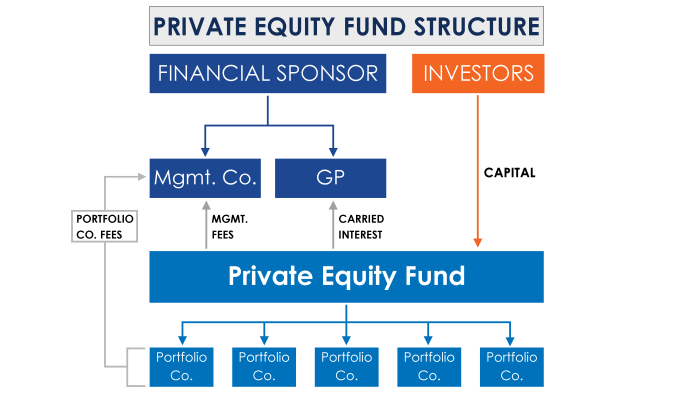
Private equity firms utilize various investment strategies when managing a private equity portfolio to maximize returns and minimize risks. Strategic alignment between the private equity firm and portfolio companies is crucial for achieving long-term success. Let’s delve into the different investment strategies and their importance in the private equity landscape.
Different Investment Strategies in Private Equity
- Buyout: Involves acquiring a controlling stake in a company with the aim of improving its performance and ultimately selling it for a profit.
- Venture Capital: Focuses on investing in early-stage companies with high growth potential, providing capital and expertise to help them grow.
- Distressed Debt: Involves investing in the debt of struggling companies at a discount, with the goal of restructuring the company and turning it around.
Strategic Alignment Between Private Equity Firm and Portfolio Companies
Strategic alignment ensures that the goals and objectives of the private equity firm are in sync with those of the portfolio companies. This alignment is essential for effective decision-making, resource allocation, and value creation.
Active vs. Passive Investment Strategies
- Active Investment: Involves taking a hands-on approach in the management of portfolio companies, often by providing operational expertise and strategic guidance.
- Passive Investment: Involves a more passive role, where the private equity firm mainly focuses on providing capital and monitoring the performance of the portfolio companies without direct involvement in day-to-day operations.
RISK MANAGEMENT
Risk management is a crucial aspect of managing a private equity portfolio, as it involves identifying, assessing, and mitigating potential risks that could impact the overall performance of the investments.When it comes to private equity portfolios, there are several risk factors that investors need to consider. These include market risk, liquidity risk, credit risk, operational risk, and regulatory risk. Market risk refers to the potential for losses due to changes in market conditions, while liquidity risk involves the inability to sell an investment without causing a significant impact on its price.
Credit risk pertains to the possibility of default by a borrower, while operational risk encompasses risks related to internal processes and systems. Lastly, regulatory risk involves changes in laws and regulations that could affect the investments.To mitigate these risks, private equity investors employ various techniques. Diversification is a common strategy used to spread risk across different investments, sectors, and regions.
Due diligence is another important practice, involving thorough research and analysis before making investment decisions. Additionally, investors may use leverage cautiously, implement risk management frameworks, and stay informed about market trends and developments.Effective risk management can have a significant impact on the overall performance of a private equity portfolio. By identifying and mitigating risks, investors can protect their investments from potential losses and enhance their chances of achieving favorable returns.
It also helps in maintaining stability and sustainability in the portfolio over the long term.
PERFORMANCE EVALUATION
Performance evaluation is crucial in assessing the success and effectiveness of a private equity portfolio. By analyzing key metrics, addressing challenges related to illiquid investments, and understanding how performance evaluation impacts decision-making, investors can make informed choices to optimize their portfolio.When evaluating the performance of a private equity portfolio, several key metrics are commonly used:
Key Metrics for Performance Evaluation
- Internal Rate of Return (IRR): This metric calculates the annualized rate of return on an investment over a specific period, taking into account the timing and amount of cash flows.
- Multiple of Invested Capital (MOIC): MOIC measures the total value realized from an investment compared to the initial amount invested.
- Distribution to Paid-In (DPI): DPI evaluates the amount of capital returned to investors relative to the total amount of capital contributed.
- Total Value to Paid-In (TVPI): TVPI combines DPI and remaining value in the portfolio to provide a comprehensive view of performance.
Measuring the performance of illiquid private equity investments presents challenges due to the lack of market pricing and liquidity. Valuing these investments accurately requires in-depth analysis, often involving the use of specialized valuation techniques and professional judgment. Additionally, the time horizon for realizing returns on illiquid investments can vary significantly, impacting the overall performance assessment.
Challenges in Measuring Performance of Illiquid Investments
- Lack of Market Pricing: Difficulty in determining the current market value of illiquid assets.
- Subjectivity in Valuation: Reliance on subjective judgments and assumptions in valuing illiquid investments.
- Time Horizon Mismatch: Misalignment between expected and actual timeframes for realizing returns on illiquid assets.
Performance evaluation plays a critical role in decision-making for managing a private equity portfolio. By analyzing performance metrics, investors can assess the effectiveness of their investment strategies, identify areas for improvement, and make informed decisions regarding future allocations and exits. Ultimately, performance evaluation guides portfolio managers in optimizing returns and achieving their investment objectives.
In conclusion, Private equity portfolio presents a lucrative opportunity for investors seeking to diversify their portfolios and achieve superior returns through strategic investments in non-publicly traded companies.
FAQ Guide
What is a private equity portfolio?
A private equity portfolio is a collection of investments in privately-held companies managed by a private equity firm.
How do private equity investments differ from other asset classes?
Private equity investments are typically illiquid and involve investing directly in companies, unlike publicly traded stocks or bonds.
What are the advantages of diversifying into a private equity portfolio?
Diversification through a private equity portfolio can provide access to high-growth companies and potentially higher returns compared to traditional investments.


