
Starting with the Global private equity market, this paragraph aims to draw in readers with a captivating overview of the market size, growth trends, and key influencing factors.
It will delve into how geopolitical factors play a crucial role in shaping the landscape of the global private equity market.
Global private equity market
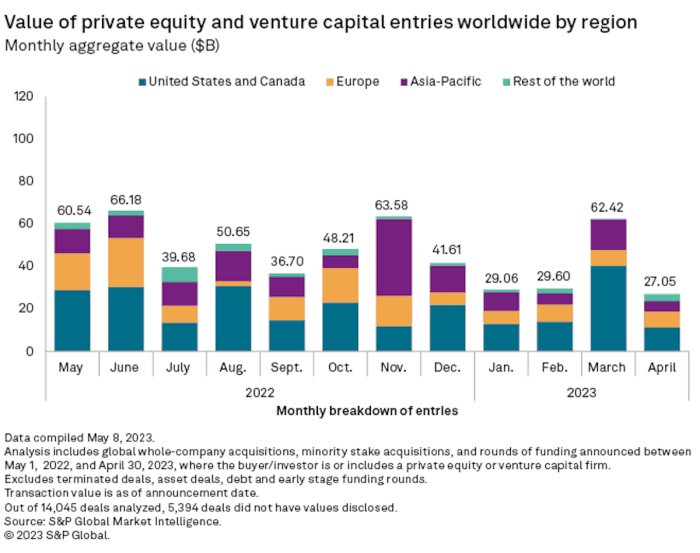
The global private equity market refers to the investment of capital into private companies or projects with the aim of generating returns for investors. It plays a crucial role in the global financial landscape, providing funding for businesses at various stages of development.The current size of the global private equity market is substantial, with total assets under management reaching trillions of dollars.
Over the past few years, the market has experienced significant growth due to various factors influencing its expansion.
Key factors influencing the growth of the global private equity market
Private equity firms have been increasingly attracting capital from institutional investors seeking higher returns than traditional investment options. This has led to the growth of the market as more funds are available for investments in private companies.The focus on innovation and technology has also played a significant role in driving the growth of the global private equity market. Investors are actively seeking opportunities in sectors such as tech, healthcare, and renewable energy, where disruptive technologies and business models are reshaping industries.Regulatory changes and favorable economic conditions in key markets have created a conducive environment for private equity investments.
Governments around the world have been implementing policies to support entrepreneurship and business growth, which has benefited the private equity sector.
Impact of geopolitical factors on the global private equity market
Geopolitical factors such as trade tensions, political instability, and global economic uncertainty can have a substantial impact on the global private equity market. Uncertain geopolitical environments can create volatility in financial markets, affecting investor confidence and investment decisions.For example, the ongoing trade disputes between major economies like the US and China have caused fluctuations in global markets, influencing the investment strategies of private equity firms.
Political events such as elections or changes in government policies can also create uncertainty for investors, impacting the flow of capital into the private equity market.Overall, the global private equity market is subject to various geopolitical factors that can shape investment opportunities and risks for participants in the market.
Private Equity
Private equity refers to investments made in privately-held companies or assets that are not publicly traded on a stock exchange. Private equity firms raise funds from institutional investors and high-net-worth individuals to acquire equity ownership in companies with the goal of growing and eventually selling them for a profit.
Investment Strategies in Private Equity
Private equity firms typically employ several investment strategies to maximize returns on their investments. These strategies include:
- Leveraged Buyouts (LBOs): Acquiring a company using a significant amount of debt to finance the purchase, with the intention of improving the company’s operations and profitability before selling it for a higher price.
- Growth Capital: Providing capital to help a company expand its operations, enter new markets, or invest in research and development.
- Distressed Investing: Investing in companies that are facing financial distress or undergoing restructuring, with the aim of turning them around and selling them at a profit.
- Mezzanine Financing: Providing a combination of debt and equity to a company, often with flexible repayment terms and the option to convert debt into equity.
Differences between Private Equity, Hedge Funds, and Venture Capital
Private equity, hedge funds, and venture capital are all types of alternative investments, but they differ in their investment strategies and target companies:
- Private Equity: Invests in established companies with the goal of growing and improving their operations before selling them for a profit. Private equity firms typically take a hands-on approach in managing their investments.
- Hedge Funds: Pool funds from investors to invest in a diverse range of assets, often using complex strategies to generate high returns. Hedge funds are known for their flexibility in investment decisions and risk management techniques.
- Venture Capital: Invests in early-stage companies with high growth potential, often in technology or innovation sectors. Venture capital firms provide capital and mentorship to help these startups grow and succeed.
In conclusion, the Global private equity market is a dynamic sector influenced by various factors, offering unique investment opportunities.
Key Questions Answered
What defines the size of the global private equity market?
The size of the global private equity market is determined by the total value of private equity investments worldwide.
How does private equity differ from hedge funds and venture capital?
Private equity typically involves investing in private companies or acquiring public companies to delist them, whereas hedge funds focus on a range of assets and venture capital is geared towards early-stage companies.


