
Embark on a journey delving into the realm of Private equity growth, exploring its evolution and impact on the financial landscape.
Discover the key factors shaping the growth trajectory of private equity investments worldwide and how technological advancements play a pivotal role in this industry.
PRIVATE EQUITY
Private equity refers to investments made in privately-held companies or assets that are not traded on public exchanges. It plays a significant role in the financial world by providing capital to companies for growth, restructuring, or acquisitions in exchange for ownership stakes.Private equity differs from other forms of investments like public equity in several ways. Unlike public equity, private equity investments are not traded on public exchanges, making them illiquid and often requiring a long-term commitment from investors.
Additionally, private equity investors typically have a more hands-on approach in managing and growing the companies they invest in, as they aim to increase the value of their investments over time.A typical private equity firm consists of a team of investment professionals who raise capital from institutional investors, high-net-worth individuals, and other sources to form a fund. This fund is then used to make investments in private companies, with the goal of generating high returns for the investors.
Private equity firms often utilize leverage to finance their investments, meaning they borrow money to increase their purchasing power and potentially amplify their returns.Investing in private equity has its advantages and disadvantages. On the positive side, private equity investments have the potential to generate higher returns compared to traditional investments like public equities. Private equity investors also have the opportunity to actively participate in the growth and management of the companies they invest in.
However, private equity investments are illiquid, meaning investors may have limited access to their capital until the investment is exited. Additionally, private equity investments are often riskier and may require a longer investment horizon compared to other asset classes.
PRIVATE EQUITY GROWTH
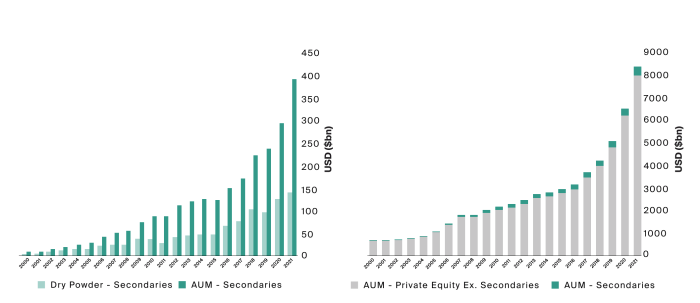
Private equity investments have been experiencing significant growth globally, driven by various factors such as increasing investor appetite for higher returns, favorable regulatory environments, and the search for diversification beyond traditional asset classes.
Factors Contributing to Global Growth
- The pursuit of higher returns: Investors are turning to private equity to seek higher returns compared to traditional investment options.
- Favorable regulatory environments: Regulations in many countries have become more conducive to private equity investments, encouraging growth in the sector.
- Diversification benefits: Private equity offers investors a chance to diversify their portfolios and reduce risk exposure.
Growth Trends in Different Regions
- North America: Historically, North America has been a dominant player in the private equity market, with robust growth fueled by a strong economy and a mature financial ecosystem.
- Europe: The European private equity market has also been growing steadily, with increasing interest from investors and a growing number of successful exits.
- Asia: Asia has emerged as a key region for private equity growth, driven by rapid economic development, rising disposable incomes, and increasing entrepreneurial activity.
Impact of Economic Conditions
- Economic conditions play a crucial role in the growth of private equity investments, as a strong economy typically leads to increased investor confidence and deal activity.
- In times of economic uncertainty, private equity firms may face challenges in fundraising and deal-making, affecting overall growth in the industry.
Role of Technology and Innovation
- Technology and innovation have been pivotal in driving the growth of the private equity industry, enabling firms to streamline processes, enhance due diligence, and identify new investment opportunities.
- Technological advancements such as data analytics, artificial intelligence, and blockchain have revolutionized how private equity firms operate and make investment decisions.
INVESTMENT STRATEGIES
Private equity firms employ various investment strategies to drive growth in their portfolio companies. These strategies are tailored to the specific needs and goals of each investment opportunity, aiming to maximize returns for investors while mitigating risks.
Common Investment Strategies
Private equity firms commonly use strategies such as leveraged buyouts, growth capital investments, and distressed investments to drive growth in their portfolio companies. Each strategy has its own set of objectives and methods to achieve growth and profitability.
- Leveraged Buyouts: In a leveraged buyout (LBO), private equity firms acquire a company using a significant amount of borrowed funds, with the target company’s assets serving as collateral. The goal is to improve the company’s operations, increase its value, and eventually sell it for a profit.
- Growth Capital: Growth capital investments involve providing capital to a company to fuel its expansion plans, enter new markets, or launch new products. Private equity firms help the company grow organically or through acquisitions, aiming to increase its value over time.
- Distressed Investments: Distressed investments focus on companies facing financial difficulties, such as bankruptcy or insolvency. Private equity firms step in to restructure the company, improve its financial health, and turn it around to generate returns for investors.
Investment Cycle in Private Equity
The investment cycle in private equity typically involves stages such as sourcing deals, due diligence, structuring the transaction, implementing value creation strategies, and exiting the investment. Private equity firms navigate through these stages with the goal of maximizing returns and achieving successful exits.
Successful Examples of Private Equity Investments
One notable example of a successful private equity investment is the acquisition of Burger King by 3G Capital. By implementing operational improvements, cost-cutting measures, and international expansion strategies, 3G Capital was able to significantly grow Burger King’s value and profitability, leading to a successful exit through an IPO.Another example is the investment in Airbnb by Sequoia Capital, which provided growth capital to fuel the company’s expansion globally.
Through strategic partnerships, marketing initiatives, and product innovation, Sequoia Capital helped Airbnb become a household name in the hospitality industry, ultimately leading to a successful IPO.These success stories highlight the importance of strategic planning, operational expertise, and value creation initiatives in driving growth and maximizing returns in private equity investments.
REGULATORY ENVIRONMENT
The regulatory environment plays a crucial role in shaping the operations and growth of private equity firms. From compliance challenges to adapting to regulatory changes, these firms must navigate a complex landscape to succeed in different jurisdictions.
Regulatory Challenges Faced by Private Equity Firms
Private equity firms often encounter varying regulatory challenges across different jurisdictions. These challenges can include compliance with local laws, regulations on foreign investments, tax implications, and reporting requirements. Navigating these diverse regulatory landscapes requires a deep understanding of the legal framework in each jurisdiction, as non-compliance can lead to significant penalties and reputational damage.
Impact of Regulatory Changes on Private Equity Growth
Regulatory changes can have a profound impact on the growth and operations of private equity firms. For example, stricter regulations may increase compliance costs and limit investment opportunities, affecting the overall profitability of the firm. On the other hand, regulatory changes aimed at promoting transparency and accountability can enhance investor trust and attract more capital inflows. Adapting to these changes is essential for private equity firms to remain competitive and sustainable in the long run.
Regulatory Compliance and Investment Decisions
Regulatory compliance plays a crucial role in shaping the investment decisions and strategies of private equity investors. Firms must assess the regulatory risks associated with potential investments and ensure that they comply with all relevant laws and regulations. Failure to do so can not only result in financial losses but also reputational damage. As a result, regulatory compliance is a key consideration in the due diligence process and investment decision-making.
Future Regulatory Landscape for Private Equity
The future regulatory landscape for private equity is expected to witness continued evolution and changes. Regulators are likely to focus on enhancing transparency, protecting investor interests, and addressing systemic risks in the financial system. Increased regulatory scrutiny may lead to more stringent compliance requirements for private equity firms, impacting their growth strategies and operational efficiency. Adapting to these regulatory changes and staying ahead of the curve will be essential for private equity firms to thrive in the competitive market environment.
In conclusion, Private equity growth presents a compelling narrative of innovation, risk, and reward, shaping the future of investments in an ever-changing global economy.
Essential Questionnaire
What sets private equity apart from other investment forms?
Private equity involves investing directly in private companies, offering unique opportunities for growth and control.
How do economic conditions influence private equity growth?
Economic factors such as interest rates and market stability can significantly impact the attractiveness of private equity investments.
What are the typical investment strategies used by private equity firms?
Private equity firms employ strategies like leveraged buyouts, growth capital investments, and distressed asset purchases to drive portfolio company growth.
How do regulatory changes affect private equity operations?
Regulatory challenges can alter the landscape for private equity firms, impacting their decision-making processes and strategies.


