Delving into Private equity funds, this introduction immerses readers in a unique and compelling narrative, with casual formal language style that is both engaging and thought-provoking from the very first sentence.
Private equity funds play a crucial role in the financial landscape, offering investors a unique opportunity to participate in high-growth ventures and strategic acquisitions. With a focus on maximizing returns through strategic investments, these funds are known for their risk-taking nature and potential for significant rewards. Let’s explore the world of private equity funds and uncover the key aspects that make them a popular choice for investors seeking above-average returns.
PRIVATE EQUITY
Private equity refers to investments made into privately-held companies that are not traded on public stock exchanges. The primary characteristics of private equity include longer investment horizons, active involvement in the management of portfolio companies, and the use of leverage to enhance returns.
Typical Structure of a Private Equity Fund
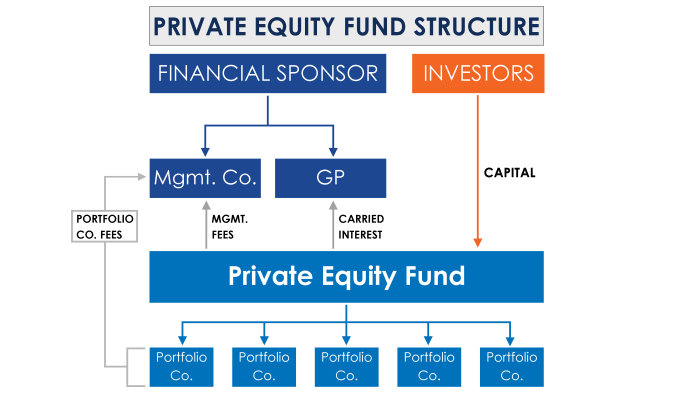
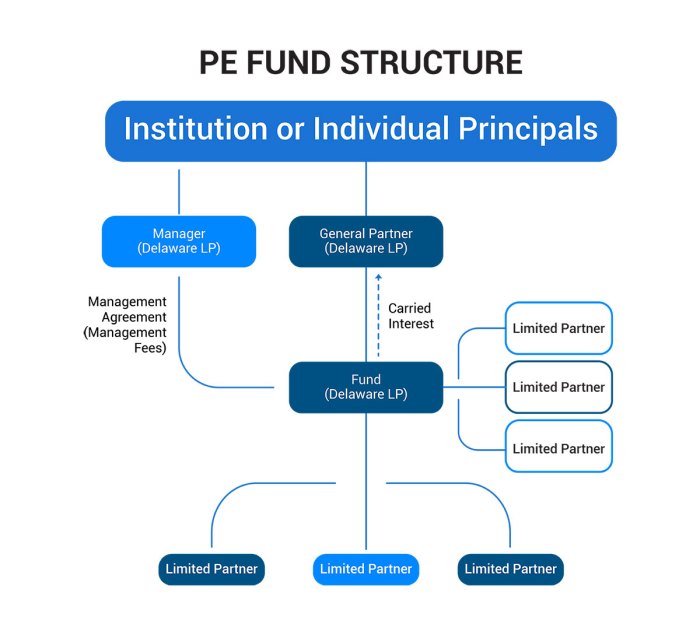
Private equity funds are typically structured as limited partnerships, with the general partner managing the fund and making investment decisions on behalf of limited partners. Limited partners provide the capital for the fund and share in the profits generated from successful investments.
- General Partner: Responsible for sourcing and managing investments, as well as overseeing the operations of portfolio companies.
- Limited Partners: Provide capital to the fund and have limited liability, with their exposure limited to their initial investment.
- Management Fee: Paid by limited partners to the general partner for managing the fund, typically a percentage of assets under management.
- Carried Interest: Profit share received by the general partner upon successful exits, usually around 20% of profits above a certain threshold.
Role of Private Equity in the Financial Ecosystem
Private equity plays a crucial role in the broader financial ecosystem by providing capital to companies at various stages of their growth. Private equity firms often take a hands-on approach to help portfolio companies grow and improve their operations, leading to value creation and job creation.
Private equity can be seen as a catalyst for innovation and growth in the economy, driving competitiveness and efficiency in the companies it invests in.
Advantages and Disadvantages of Investing in Private Equity Funds
- Advantages:
- Potential for high returns: Private equity investments have the potential to generate significant returns over the long term.
- Diversification: Investing in private equity allows for diversification away from traditional asset classes like stocks and bonds.
- Alignment of interests: General partners and limited partners have aligned interests in generating profits from successful investments.
- Disadvantages:
- Illiquidity: Investments in private equity funds are typically illiquid, meaning that investors may not be able to access their capital when needed.
- High fees: Private equity funds often charge management fees and carried interest, which can reduce overall returns for investors.
- Risk of loss: Like any investment, there is a risk of loss in private equity if investments do not perform as expected.
TYPES OF PRIVATE EQUITY FUNDS
Private equity funds come in various types, each with its own unique investment strategy and focus. Some of the common types include buyout funds, venture capital funds, and distressed debt funds. Let’s explore the characteristics and differences among these different types of private equity funds.
Buyout Funds
Buyout funds typically invest in established companies with the goal of acquiring a controlling stake. These funds often use a combination of debt financing and equity to acquire the target company. The investment strategy of buyout funds involves improving the operations and financial performance of the acquired company to generate returns upon exit. Successful examples of buyout fund investments include KKR’s acquisition of RJR Nabisco in the 1980s.
Venture Capital Funds
Venture capital funds, on the other hand, focus on investing in early-stage or startup companies with high growth potential. These funds provide capital, mentorship, and strategic guidance to help the companies grow and succeed. The investment strategy of venture capital funds involves taking higher risks in exchange for the potential of significant returns. Successful examples of venture capital fund investments include Sequoia Capital’s early investment in Google.
Distressed Debt Funds
Distressed debt funds specialize in investing in the debt of companies that are facing financial distress or bankruptcy. These funds aim to restructure the debt of the distressed companies and potentially gain control through debt-to-equity conversions. The investment strategy of distressed debt funds involves profiting from the financial distress of the target companies. Successful examples of distressed debt fund investments include Oaktree Capital Management’s investment in General Growth Properties during the financial crisis.Each type of private equity fund carries a unique risk-return profile based on its investment strategy and focus.
Buyout funds tend to offer more stable returns with lower risk compared to venture capital funds, which offer higher return potential but also higher risk due to the nature of investing in early-stage companies. Distressed debt funds lie somewhere in between, offering opportunities for significant returns but also carrying substantial risk due to the distressed nature of the investments.
INVESTMENT PROCESS
Private equity funds typically follow a structured investment process to identify, evaluate, and eventually invest in potential opportunities. This process involves thorough due diligence, risk assessment, and strategic decision-making.
Identifying and Evaluating Investment Opportunities
Private equity funds often have a team of professionals dedicated to sourcing and evaluating potential investments. They may use various sources such as industry contacts, networking events, and proprietary databases to identify opportunities. Once a potential investment is identified, the fund conducts detailed financial analysis, market research, and evaluates the target company’s management team.
Due Diligence Process
Due diligence is a critical phase in the investment process where the fund conducts a comprehensive assessment of the target company. This includes reviewing financial statements, legal documents, operational processes, and market potential. The due diligence process helps the fund understand the risks and opportunities associated with the investment.
Exit Strategies
Private equity funds utilize various exit strategies to realize returns on their investments. Common exit strategies include selling the company to a strategic buyer, taking the company public through an initial public offering (IPO), or merging with another company. The choice of exit strategy depends on market conditions, the performance of the company, and the fund’s investment objectives.
REGULATORY ENVIRONMENT
The regulatory environment plays a crucial role in shaping the operations of private equity funds. It encompasses the rules and guidelines set by regulatory bodies in different jurisdictions that govern the activities of these funds.
Impact of Regulatory Changes
Regulatory changes can significantly impact the operations of private equity funds. For example, stricter regulations may increase compliance costs and limit certain investment strategies. Fund managers need to adapt to these changes to ensure compliance and maintain profitability.
Compliance Requirements
Private equity funds are required to adhere to various compliance requirements to operate legally. This includes reporting obligations, disclosure requirements, and restrictions on certain activities. Failure to comply with these regulations can lead to penalties or legal consequences.
Influence on Decision-Making
Regulatory factors have a direct influence on the decision-making process of private equity fund managers. These managers need to consider regulatory constraints and requirements when making investment decisions. Regulatory compliance is a key consideration in determining the fund’s overall strategy and approach.
In conclusion, private equity funds provide investors with a dynamic avenue to capitalize on strategic investments and high-growth opportunities. By carefully navigating the nuances of this investment strategy, individuals can potentially unlock substantial returns and diversify their portfolio. As the financial landscape continues to evolve, private equity funds remain a compelling option for those looking to maximize their investment potential and achieve long-term financial growth.
FAQs
What are the primary characteristics of private equity funds?
Private equity funds typically involve investing in privately held companies with the goal of achieving high returns through strategic management and growth initiatives.
What types of private equity funds are commonly found in the market?
Common types include buyout funds, venture capital funds, and distressed debt funds, each with its unique investment focus and strategy.
How do private equity funds identify potential investment opportunities?
Private equity funds often rely on extensive due diligence processes, industry expertise, and networks to identify and evaluate promising investment prospects.
What regulatory frameworks govern private equity funds?
Regulatory frameworks vary across jurisdictions but generally aim to ensure transparency, investor protection, and compliance with relevant laws and regulations.


